
Seminole County Release Records
A departure from John E. Polk Correctional Facility can mean several things. Bond, a pretrial order, dismissal, sentence expiration, or time served may result in a return to the community. A transfer to the Florida Department of Corrections, the U.S. Marshals Service, the Federal Bureau of Prisons, another county, or immigration custody does not. The Seminole County Sheriff's Office records the physical exit, while the Seminole County Clerk records the court action that authorized many releases. Each source answers a different part of the question.
The live SCSO CustodyPortal is configured for current inmates. Its underlying vendor software contains generic released and all-record choices, but Seminole disables those options. A missing name therefore means only that the person was not found in the current search. It does not reveal when, why, or where the person went. The booking and release event, court docket, and any receiving-agency record must be read together.
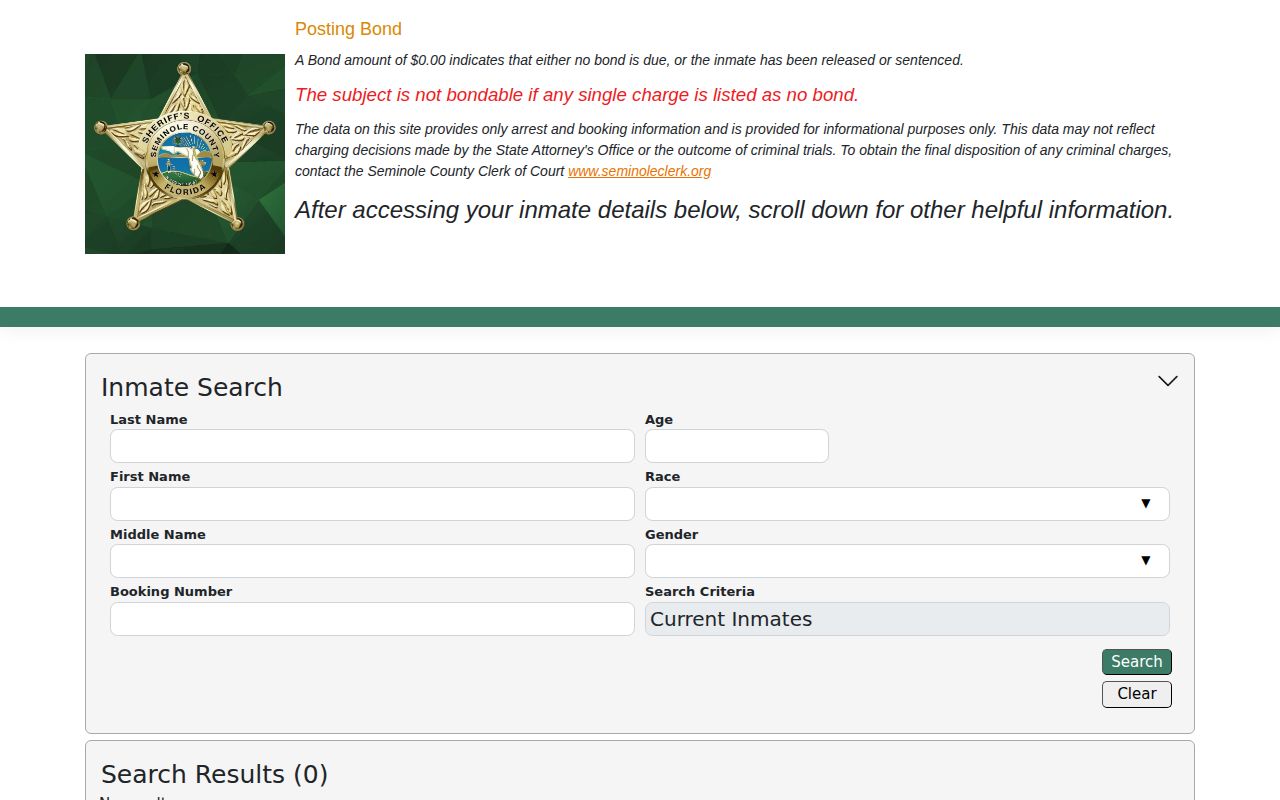
The captured portal shows the live search fields and confirms that the public Seminole interface is not a released-inmate archive.
A roster disappearance is not proof of community release. A transfer remains custody until the receiving agency documents a later release.
How Seminole Inmates Leave Custody
Release language can be short and coded. Match it to the destination before drawing a conclusion. “Time served” means the court credited enough time to complete the term. A detainer is a request or legal hold from another authority, which can prevent a person from walking out even when the Seminole case permits release. Discharge usually means a sentence or supervision term has ended, while transfer describes movement between custodians.
| Recorded event | What it can mean | Best confirmation |
|---|---|---|
| Bond or pretrial release | The person may return to the community if no other hold applies. | SCSO release event and Clerk order |
| Sentence expired or time served | The local jail term ended after credit and any lawful jail calculation. | Sentence, SCSO calculation, and release timestamp |
| Dismissed or court ordered | The court authorized release in the Seminole case. | Clerk docket and certified order |
| FDC, USMS, BOP, ICE, or county transfer | The person left John E. Polk but stayed in custody. | Receiving agency locator or records office |
| Parole, conditional release, or probation | Custody may end while supervision continues. | FDC supervision search or SCSO misdemeanor probation |
Death in custody is also an exit from a roster, but it is not a release. The same care applies to escape, a hospital movement, and a court writ. Ask for the exact event code and destination rather than converting every departure into “released.”
What Seminole Release Records Show
A useful request identifies one booking episode. Name alone can return the wrong arrest or person. Supply the full name, date of birth if known, approximate booking date, and booking number. Ask the Sheriff for fields that establish the sequence from intake to exit. The Clerk docket then explains the court action, while a later FDC or federal record can prove what happened after a transfer.
| Field | Why it matters |
|---|---|
| Name and booking number | Connects the result to one Seminole County booking episode. |
| Booking and release timestamps | Separates intake, court action, processing, and physical exit. |
| Release type or code | States the recorded basis, subject to agency definitions. |
| Releasing facility | Identifies the custodian that recorded the departure. |
| Destination or receiving agency | Distinguishes community release from continued custody. |
| Charge and case references | Links the jail event to the correct Clerk docket and order. |
The Seminole Clerk criminal search accepts name, birth date, case number, filing date, and case type. It generally reaches cases from 1985, while online images are more limited and docket entries may lag. A certified court document controls when the exact order matters.
The official criminal-search criteria screen shows the inputs and access limits.
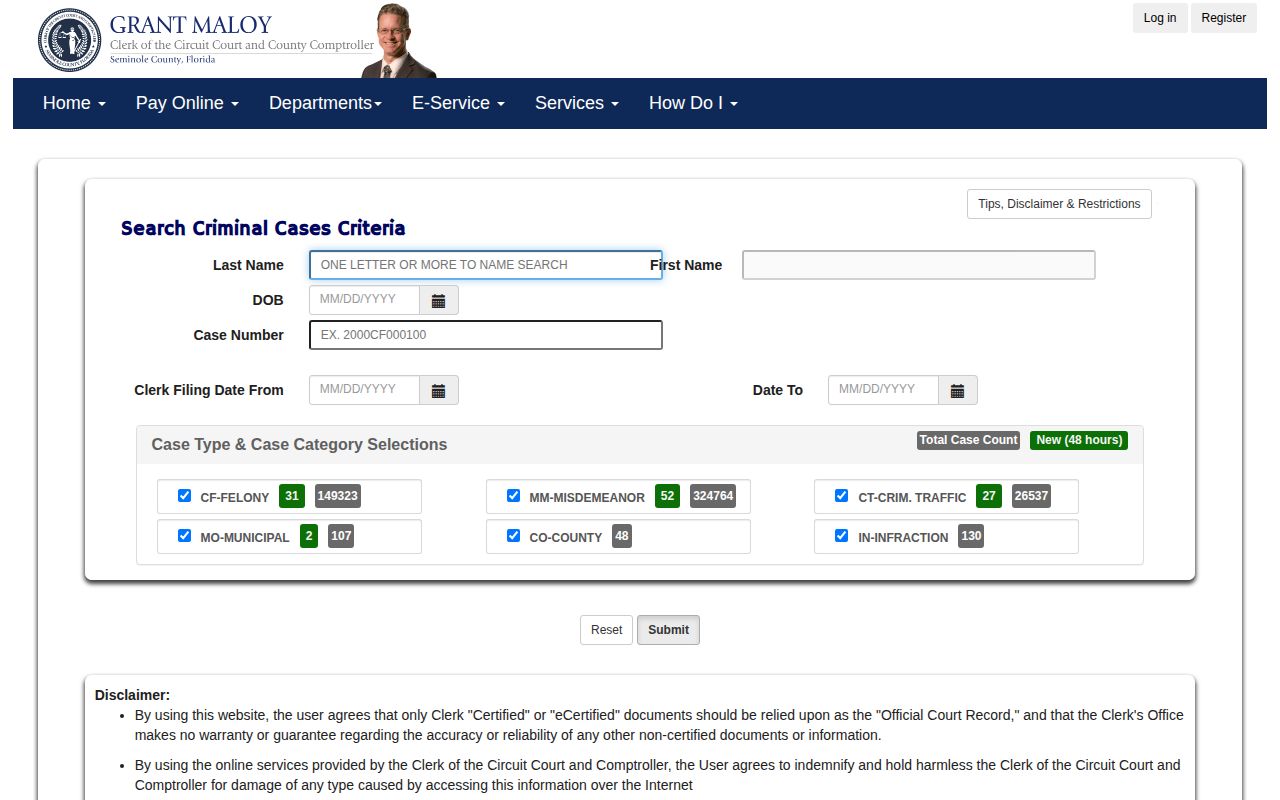
Use those fields to match the court case to the Sheriff booking number, not as a substitute for the physical release record.
The SCSO Media and Jail Information page also states that a former inmate's booking photo is obtained from the Public Information Unit rather than a released-person roster.
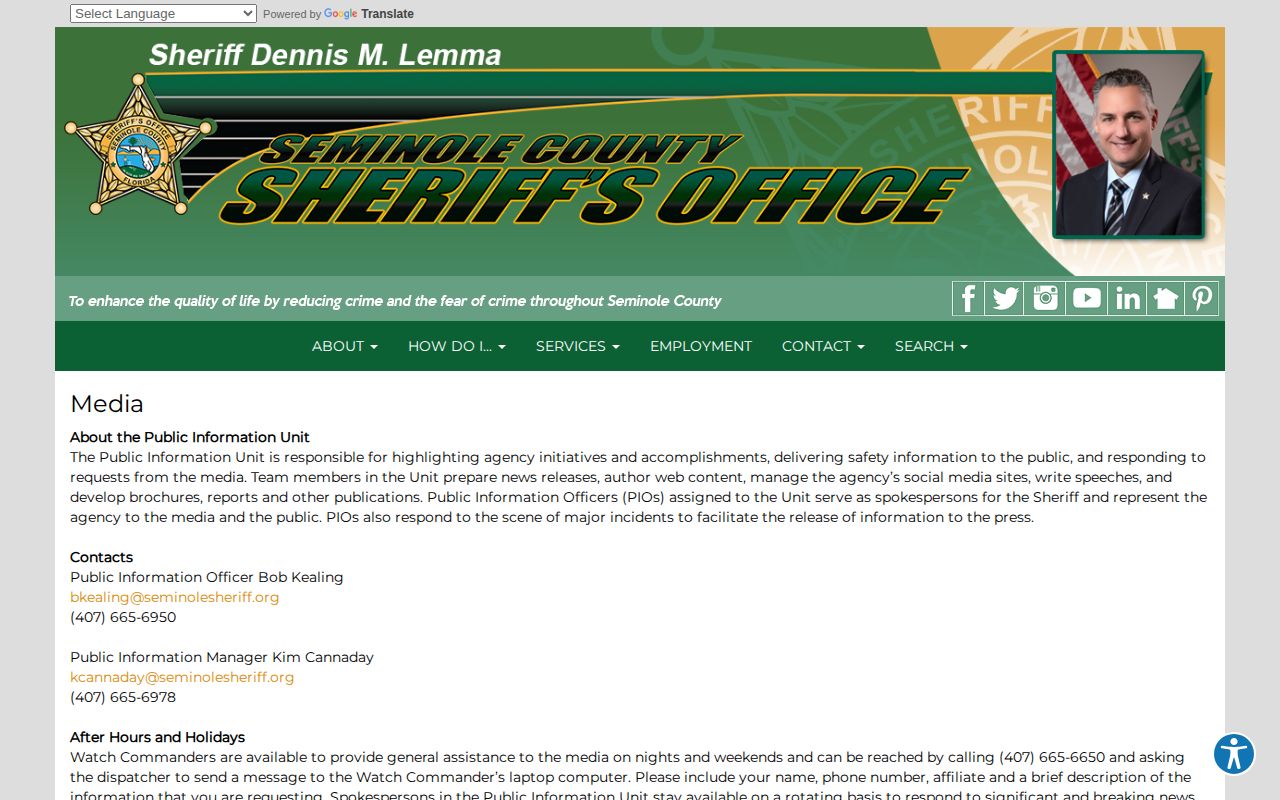
That policy is another reason to preserve the booking number before the current record drops from public view.
Request a Seminole Release Record
The SCSO Public Records unit accepts requests online through GovQA, in person, by phone, fax, email, or mail. Records is at 100 Eslinger Way, Sanford, Florida 32773; the phone is 407-665-6690, email is records@seminolesheriff.org, and published hours are Monday through Friday from 8 a.m. to 5 p.m., excluding holidays. No universal release-record price or fixed response time was found. Ask for an estimate and an electronic copy.
- Identify the person and booking episode with a booking number or narrow date range.
- Request the booking and physical release event, including date, time, type or code, and destination.
- State that exempt fields may be redacted. A focused request can reduce review work and cost.
- Review the estimate before work begins, then compare the response with the Clerk case.
- If the record says transfer, continue with FDC, BOP, USMS, ICE, or the named county.
Published SCSO copy charges are 15 cents per single-sided black-and-white page, 20 cents double-sided, 25 cents per single-sided color page, 35 cents double-sided, and $1 for certification. Extensive use can add a special service charge and may require a deposit. Florida's public-record framework appears in article I, section 24 of the state constitution and Chapter 119 of the Florida Statutes.
The Sheriff records screen shows the available request channels, hours, and fee schedule.
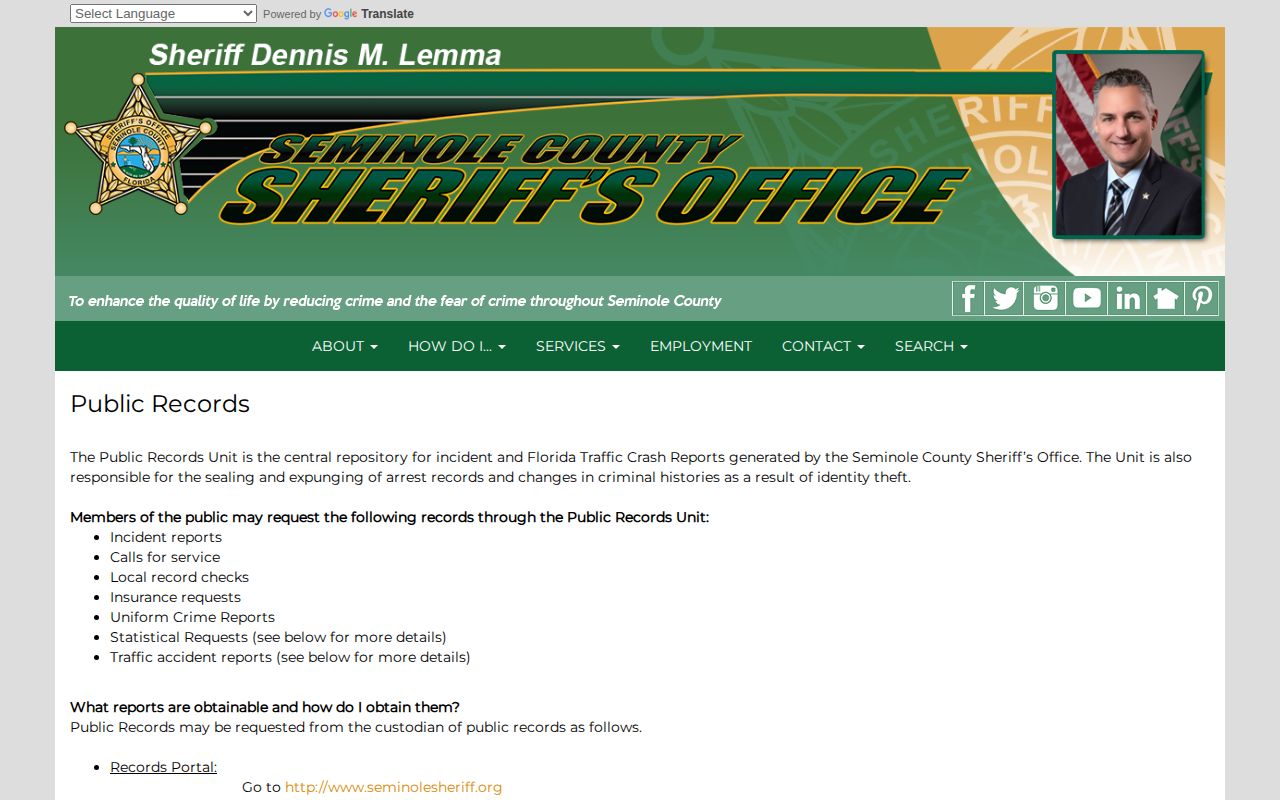
A narrow release request is often more useful than asking for every document linked to an arrest.
Seminole Release Record Retention
Florida's GS2 schedule sets minimum retention of one anniversary year after release for booking records, commitment and release lists, and inmate incarceration records. Jail docket books are permanent. A retention minimum does not promise that SCSO will display a former inmate online, and it does not prove destruction on the first eligible day. Litigation, legal holds, and agency practice can extend retention.
Sealing and expungement are legal processes that restrict access to qualifying criminal-history and court material. They do not happen merely because charges were dropped or a person completed a sentence. Florida Statutes sections 943.0585 and 943.059 and court rule 2.420 govern different parts of that process. Agency records, court dockets, and copies held elsewhere may follow different rules, so the order and its scope must be read closely.
- Sealed
- A record remains but ordinary public access is restricted under a legal order.
- Expunged
- A qualifying record is removed from ordinary access under a narrower statutory process.
- Discharge
- The recorded end of a custody or supervision term, not just departure from one facility.
Find Seminole County Released Inmates
Start with the system that last held the person. John E. Polk is the main adult county facility. Its portal is useful for confirming current custody and finding a booking number, but a former inmate usually drops off. The correct next step is an SCSO release record and the related Clerk docket. A sentenced felony transfer moves the search to FDC. A federal transfer may require the USMS district or BOP, while immigration custody uses ICE's locator.
- Search the current SCSO roster and record any booking number. Treat no result as unresolved.
- Search the Clerk docket and Pretrial Release Register for court authority or placement.
- Request the Sheriff's release timestamp, code, and destination for the booking episode.
- Check FDC release and supervision databases when the record points to state custody.
- Use Florida VINE for notice and corroboration, then use BOP, USMS, or ICE if the custodian changed.
For a named person, this sequence is stronger than an unofficial “recent release” list. SCSO has no verified public 24-hour or 72-hour released-person feed. Its weekday daily report is booking-centered, and Monday includes the weekend. The Clerk's Pretrial Release Register covers only that court-supervised program.
Florida Release Search for Seminole
The FDC Corrections Offender Network separates current inmates, released inmates, supervised people, fugitives, and other categories. Choose the database deliberately. The Inmate Release Information Search covers people released or scheduled for release from FDC and is updated nightly. It can show a photograph, DC number, release date, custody status, and sentence or case information. Supervision status must be checked separately in the Supervised Population Search. Neither database covers a person whose custody ended only at John E. Polk.
| Person's situation | Correct record | Key evidence |
|---|---|---|
| Still at John E. Polk | SCSO current CustodyPortal | Active booking and facility |
| Released from county jail | SCSO release record plus Clerk | Physical exit, type, destination, order |
| Transferred to state prison | FDC inmate population search | DC number and current status |
| Released from FDC | FDC Inmate Release Information | Release date and completed custody status |
| Under state supervision | FDC Supervised Population Search | Status, office, and termination information |
The FDC menu makes these databases distinct.
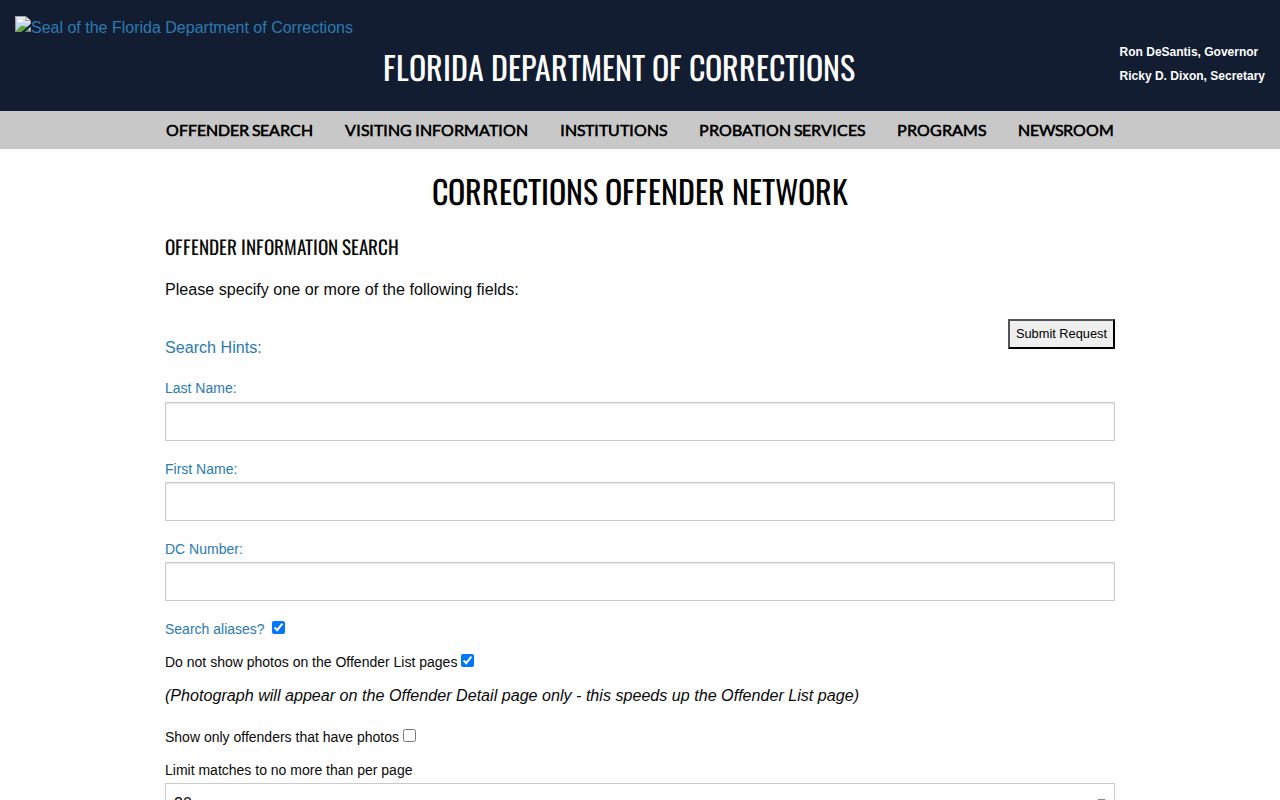
Selecting the right FDC category prevents a current-inmate result from being mistaken for a completed release.
An official Seminole-linked FDC release result shows a photograph, release date, sentence and case information, and completed custody field in one state record.
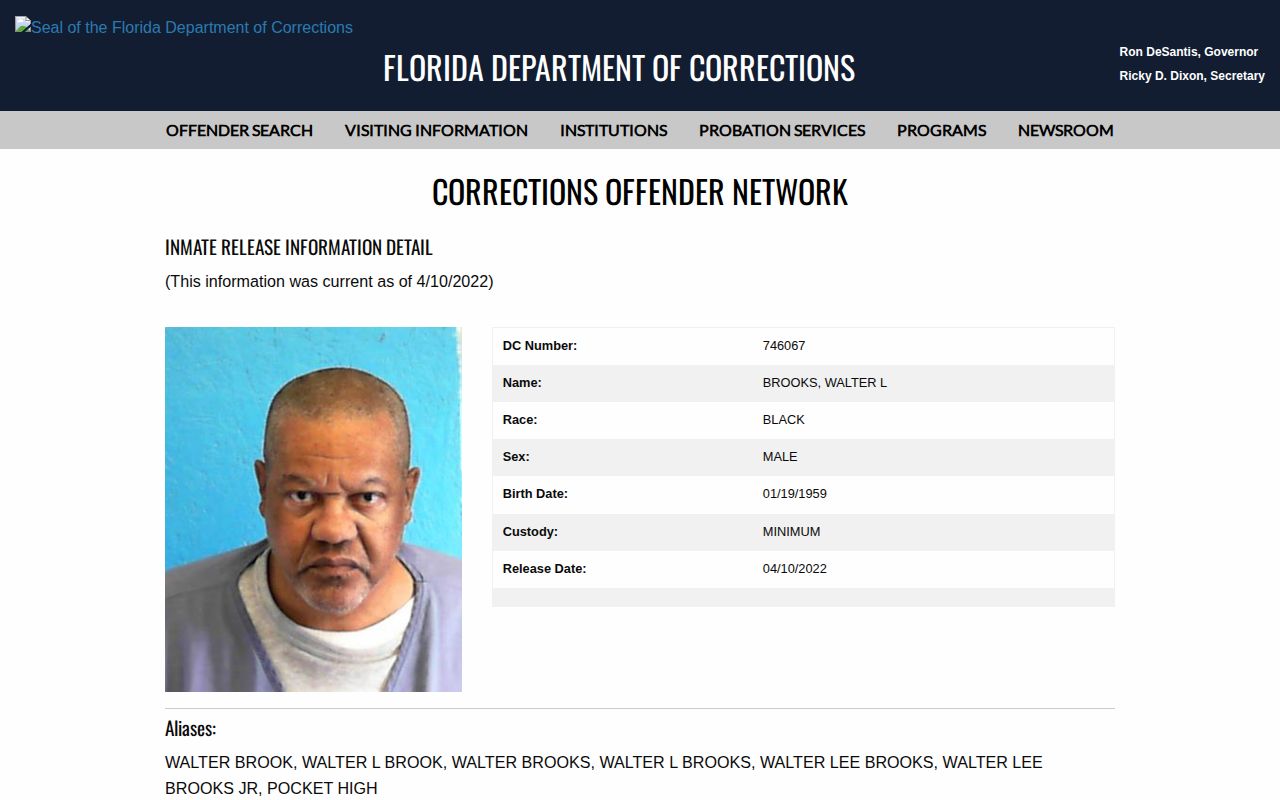
The example demonstrates the value of keeping the DC number and completed status with the release date.
Seminole Pretrial Release Register
The Seminole Clerk Pretrial Release Register is an unusual local source arranged by year and month. It documents court-supervised pretrial placement, not every person leaving John E. Polk. At the research date, the latest date displayed lagged the research date despite a statutory weekly-update requirement. Pair the register with the case docket and the SCSO physical release event.
The register's month and year index shows why it is not a rolling roster.
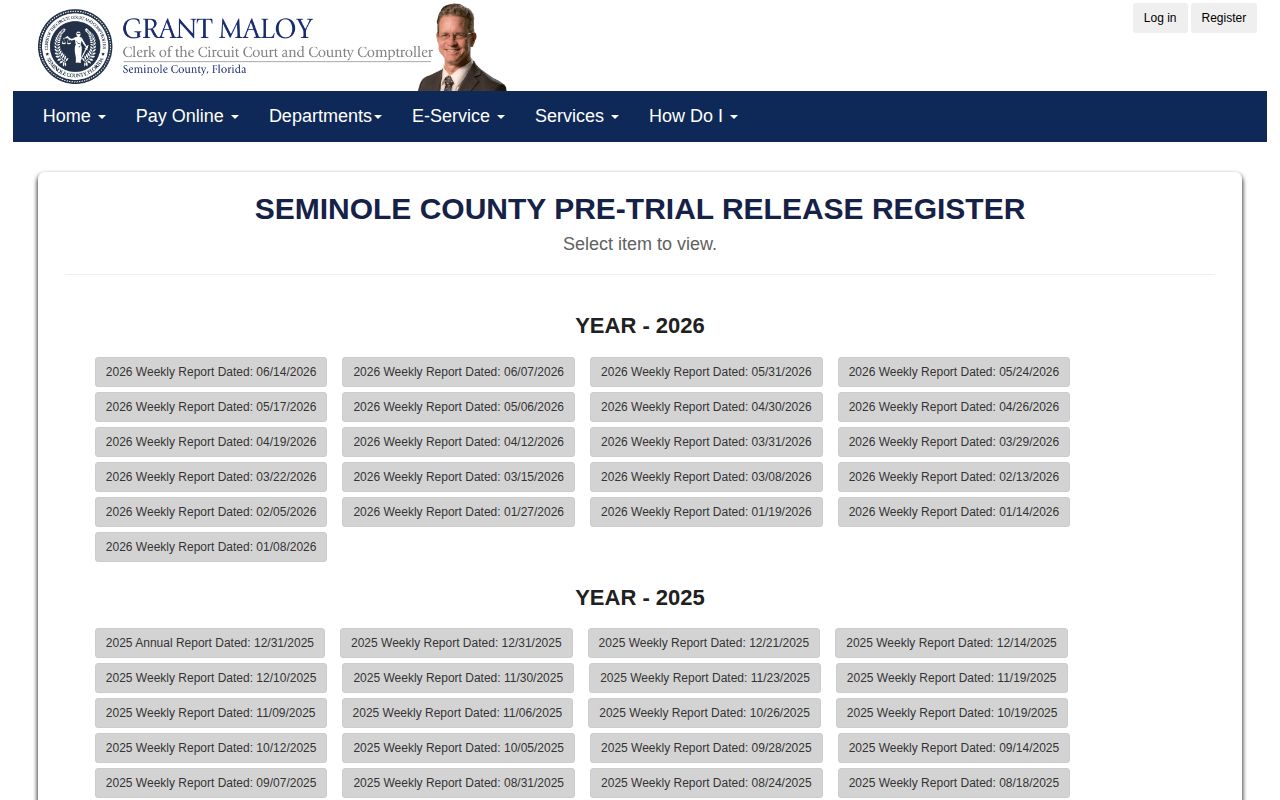
A listed placement establishes one court-supervised path. It does not establish that no other charge, warrant, or hold applied.
When Seminole Jail Releases Begin
The SCSO Jail FAQ says Booking begins release processing after it receives the authorizing paperwork. Court packets may arrive in a batch, and people do not necessarily exit in hearing order. Cash bond, surety bond, and child-support purge releases receive expedited processing. End-of-sentence exits generally begin shortly after 8 a.m., but unusual facts can add several hours. That is not an appointment and does not govern every release type.
Release staff must also check for another warrant, detainer, or receiving agency. A court statement in the courtroom can therefore precede the physical exit by a meaningful period. Families should confirm the completed SCSO event instead of planning around an exact gate time.
The official Jail FAQ captures the batch-paperwork process and timing limits.
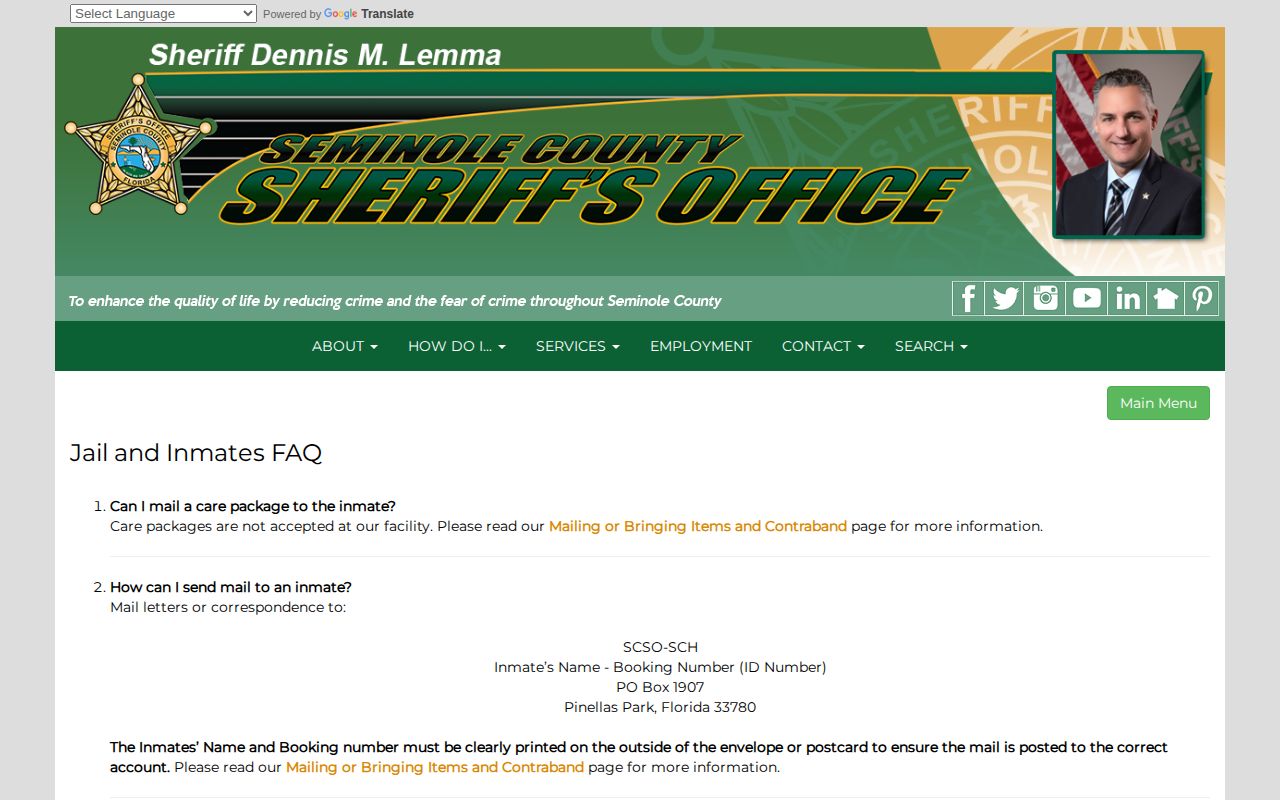
The written process explains why hearing order and exit order may differ.
Bonding Out in Seminole County
SCSO provides an Intake/Release-window route for bond and purge payments. The official rules distinguish cash, registered surety, card payment, and child-support purge routes. Card bond payments through GovPayNow are limited to $2,500 per charge and carry a nonrefundable service fee. A payment starts or supports processing. It does not cancel another charge or hold, and it does not prove the person has physically left.
The Intake and Release screen shows the local payment paths.
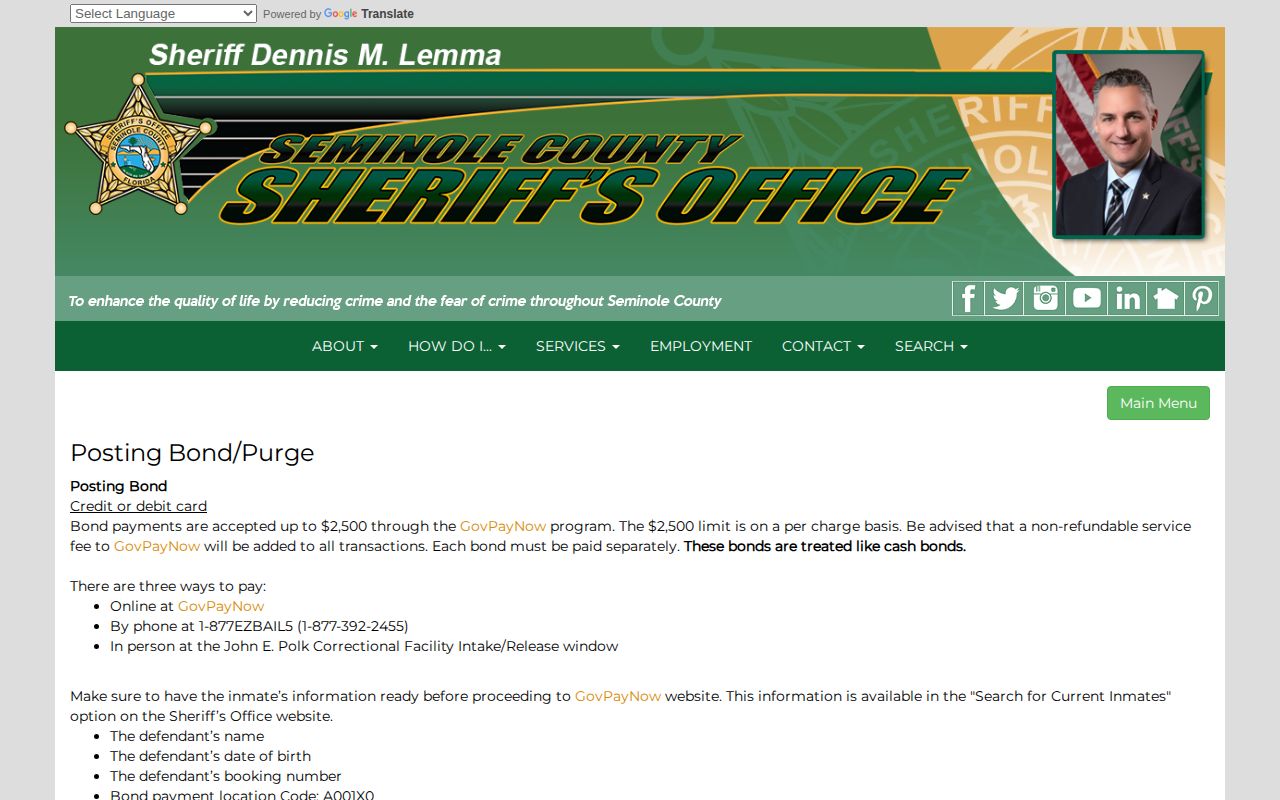
Keep the receipt, then confirm the SCSO release event and destination after processing ends.
Getting Home After Seminole Release
Older directions that name LYNX Link 103 are no longer current. LYNX discontinued that route on January 11, 2026. Seminole County now offers SCOUT on-demand microtransit, booked through the Ride Freebee app or at 407-665-RIDE. Fares depend on the zone. A rider should confirm whether the correct Eslinger Way or Bush Boulevard point is in the intended pickup zone and agree on a safe place to meet.
SCOUT is public transportation, not transportation supplied by the jail. Service availability and pickup location can change. The current fare screen explains the app and phone channels.
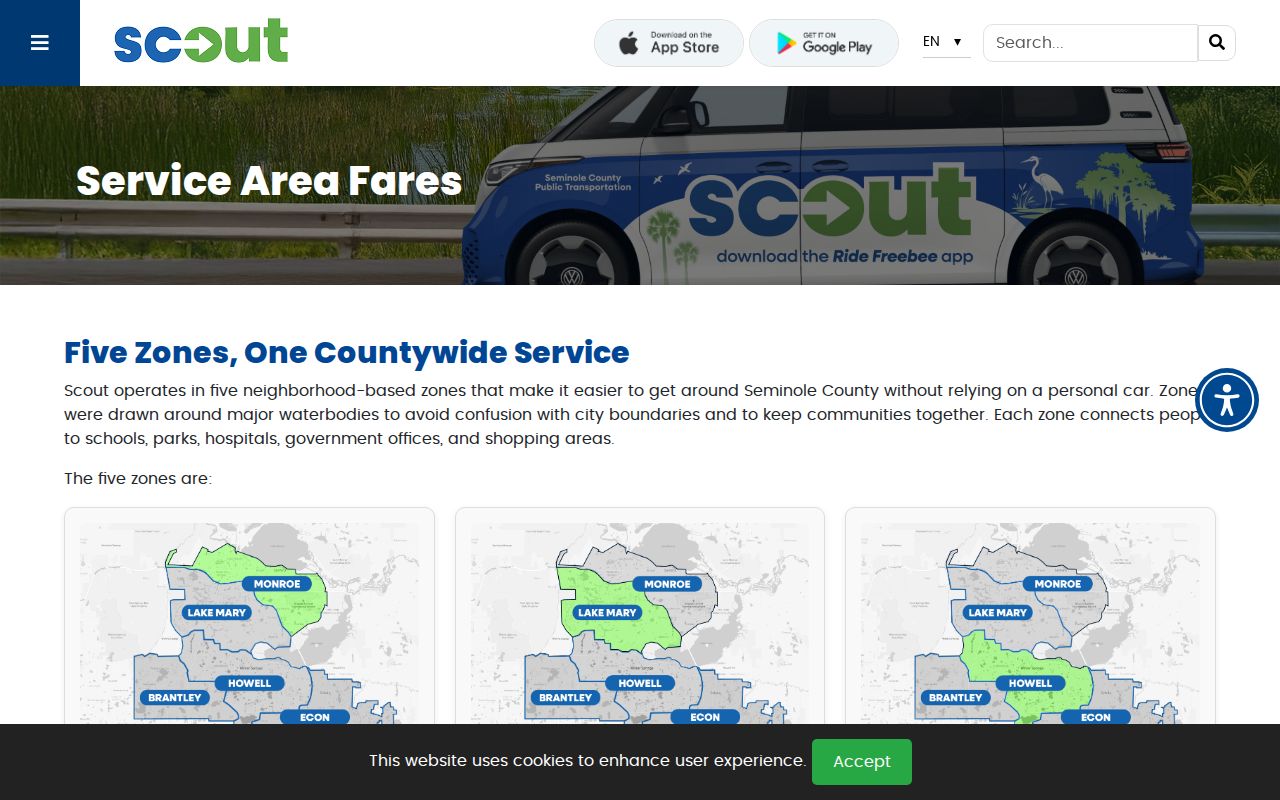
Checking the trip before release is safer than relying on an obsolete fixed-route schedule.
Property After a Seminole Release
The online John E. Polk inmate handbook says a person requesting third-party property release must use the kiosk or form process. It generally requires release of all excess property rather than selected keys, and government identification cannot be given to a third party without court authorization. Federal prisoners should arrange pickup before a transfer or release. The handbook also describes a ten-day lobby notice before abandoned property is disposed of.
The handbook is dated 2020. Confirm the current procedure at 407-665-1200 before traveling. Property rules can depend on whether the person returns to the community, moves to FDC, or enters federal custody. A transfer destination may limit what can move with the person, so the property question should be resolved separately from release status.
Seminole Booking Volume and Releases
SCSO describes John E. Polk as a 1,396-design-capacity facility that typically books more than 20,000 people each year. Those are bookings, not unique people and not a released-inmate count. One person can have more than one booking. The figures still help explain why a current roster and daily intake report change quickly.
No official Seminole annual release total was found. It would be wrong to convert booking volume into release volume because transfers, duplicate bookings, and people who remain in custody change the count.
Seminole Release Alerts and Transfers
Florida VINE can search participating county and state custody information and register phone, text, email, or in-app notice. It is a notification service, not a certified record. A notice can describe release, transfer, escape, death, or another event, so read the event rather than translating all alerts into “home.” County and FDC data remain separate feeds.
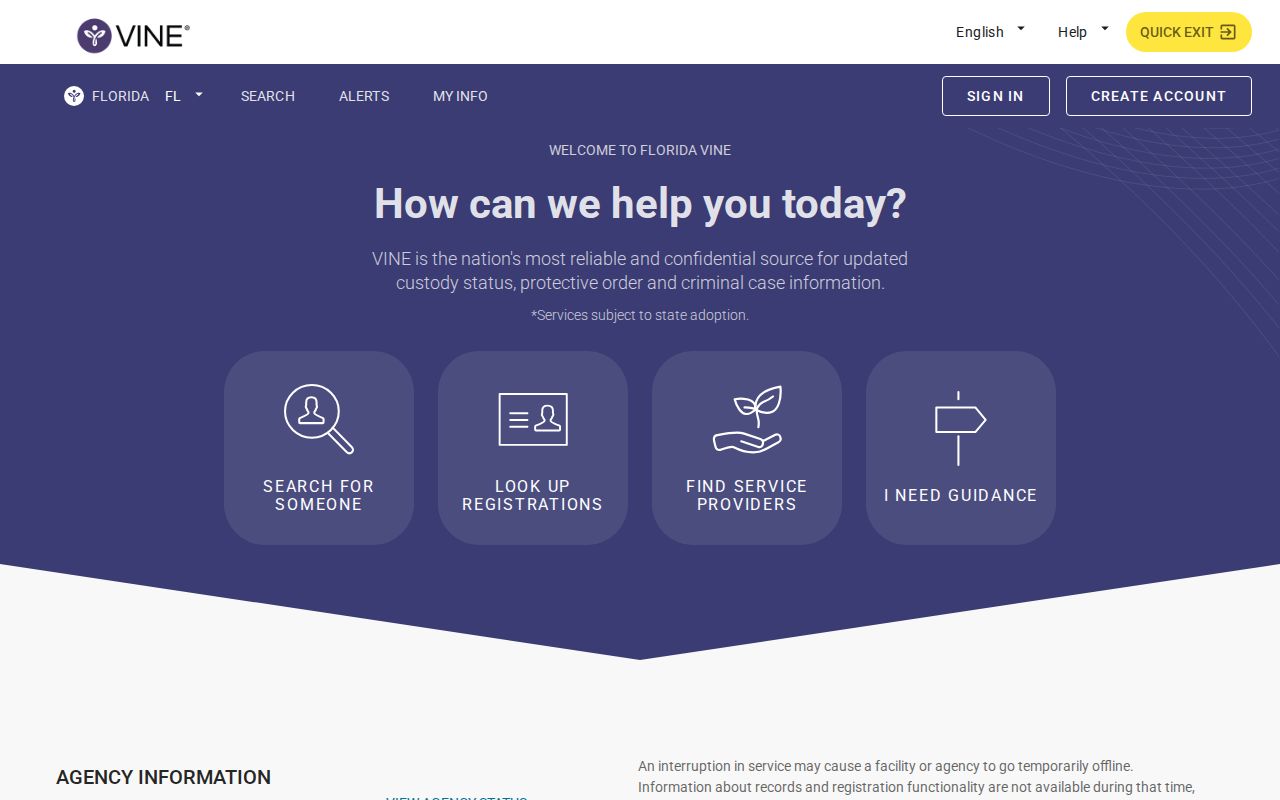
The Florida VINE screen demonstrates the search and notification route, but the originating agency remains the record source.
The FDLE sexual offender and predator registry is another narrow channel. It can show “Released - Subject to Registration” for a qualifying registrant who is no longer confined or supervised but still has a statutory registration duty.
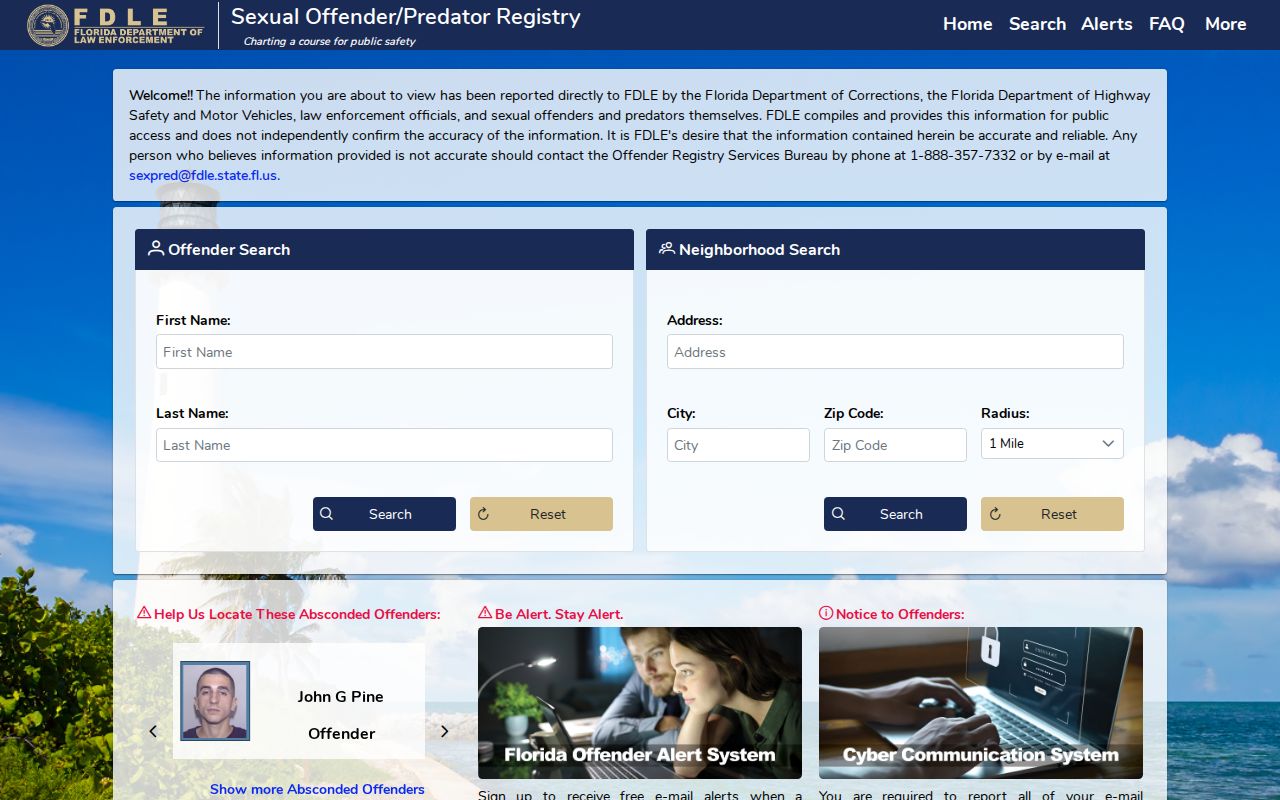
The registry is not a general released-inmate database and should never be used for a person outside its statutory scope.
For federal sentences, the BOP Inmate Locator covers federal inmates from 1982 to the present and can show a release date or “Not in BOP custody.” USMS pretrial custody has no equivalent public name roster. ICE uses its own detainee locator, which excludes minors and may not show all recent changes. A John E. Polk exit into any of those systems is a transfer.
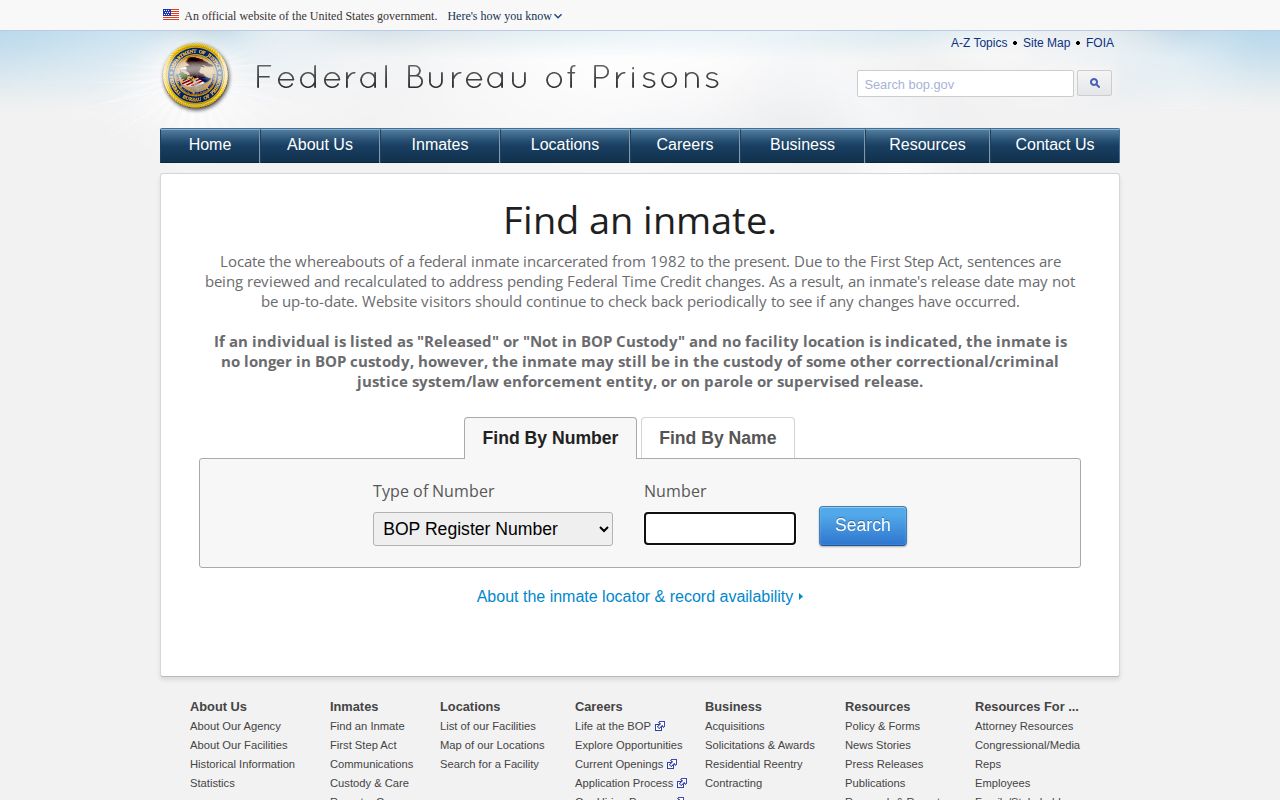
The BOP example shows why its exact custody wording and release date must be recorded together.
A BOP result that says “Not in BOP custody” needs context. It may reflect release from BOP, but it does not account for every form of pretrial, state, local, or immigration custody. ICE's public material also describes limits on recently released records, and the locator can lag or omit protected cases. Use the Seminole release destination to choose the next system, then record the status and date shown there. If the SCSO response names only a federal writ or USMS movement, the federal court docket and the relevant Marshals district are the sound next checks.
The ICE detainee-locator guidance documents a limited window for some released records.
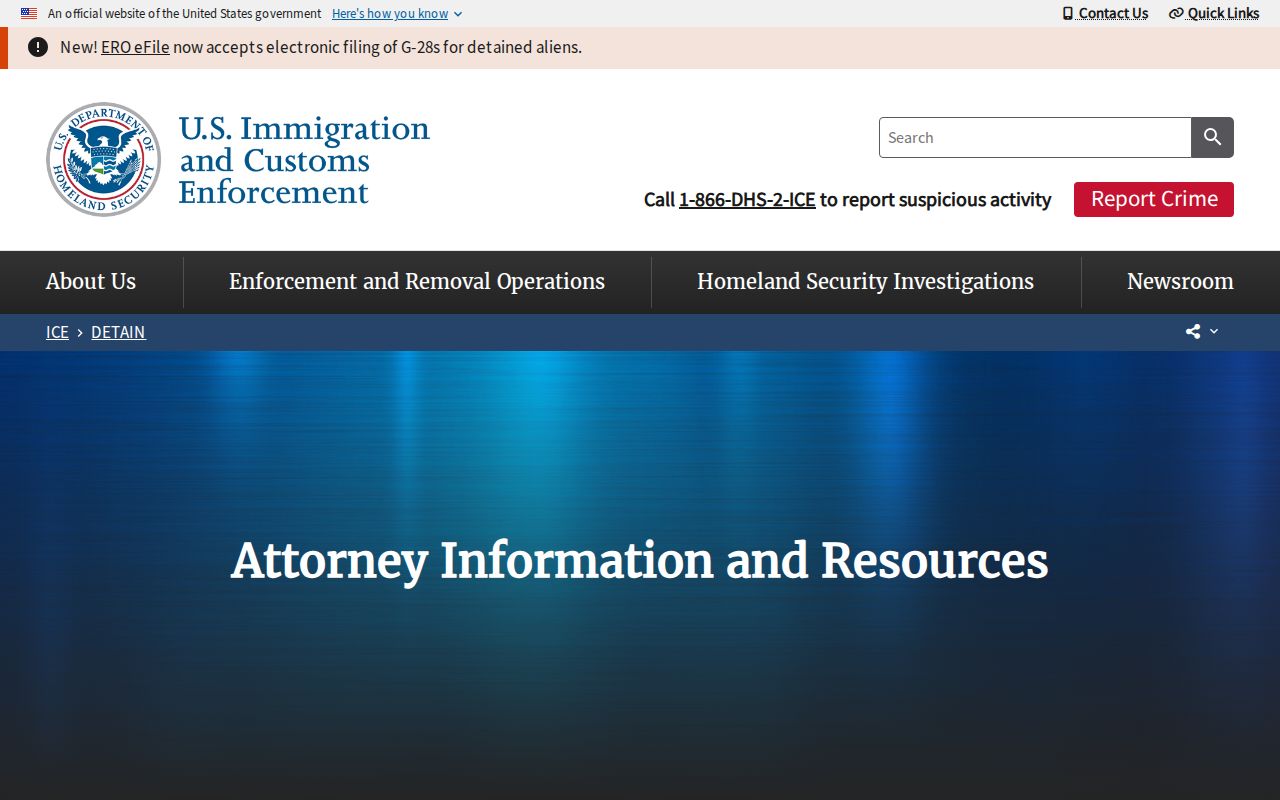
That limit reinforces why a no-result ICE search cannot prove that a person was never detained or released.
Seminole County Release Facilities
Adult county releases center on John E. Polk. The Facility Map also preserves juvenile boundaries and receiving systems because custody can change without community release. Juvenile records are confidential and should not be reconstructed through adult search methods.
- John E. Polk Correctional Facility: adult county custody, with release confirmed through SCSO and the Clerk.
- Seminole County Juvenile Assessment Center: youth screening and referral, subject to juvenile confidentiality.
- Seminole County Juvenile Detention Center: locally described secure youth detention whose current placement role requires confirmation.
- Orange Regional Juvenile Detention Center: the DJJ directory's listed regional center serving Seminole.
- Florida State Prisons: the receiving system after an FDC transfer, not a Seminole County jail release.
- Federal Custody: USMS, BOP, and ICE routes that require separate confirmation.